What Did the High Priest Wear? The Eight Garments of Exodus 28, Layer by Layer
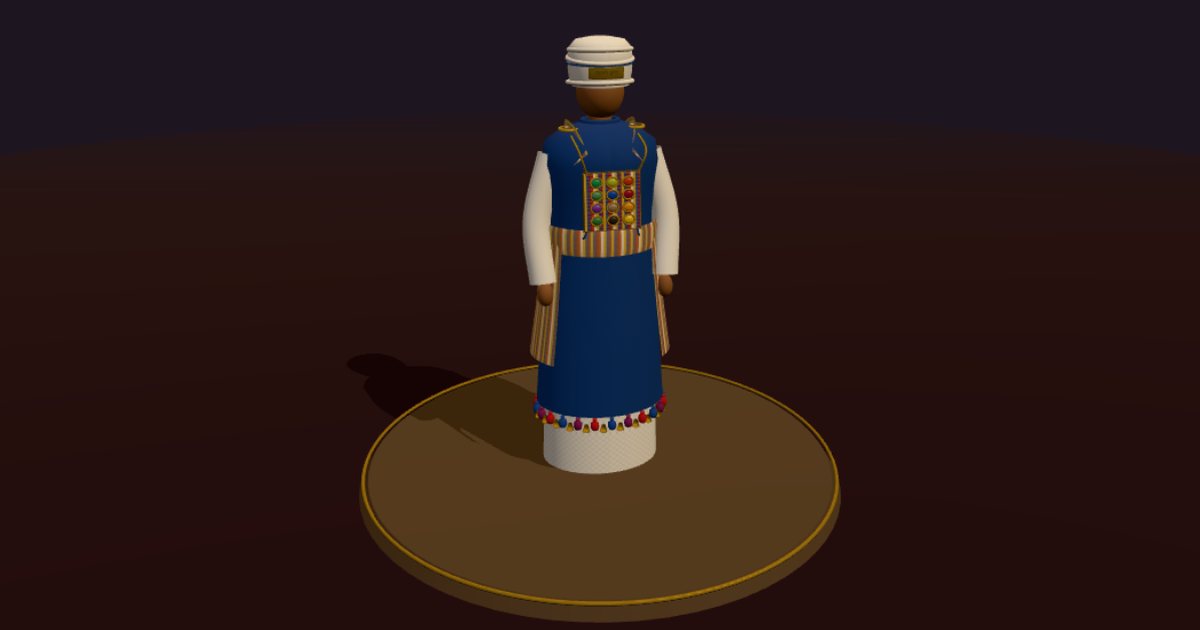
The high priest’s eight garments in Exodus 28: the blue robe and its bells, the ephod, the breastpiece of twelve stones, the Urim and Thummim, the gold plate.
Bible study articles that open up the Labs: Noah's ark, the Tabernacle, the genealogies of Jesus and more.

The high priest’s eight garments in Exodus 28: the blue robe and its bells, the ephod, the breastpiece of twelve stones, the Urim and Thummim, the gold plate.
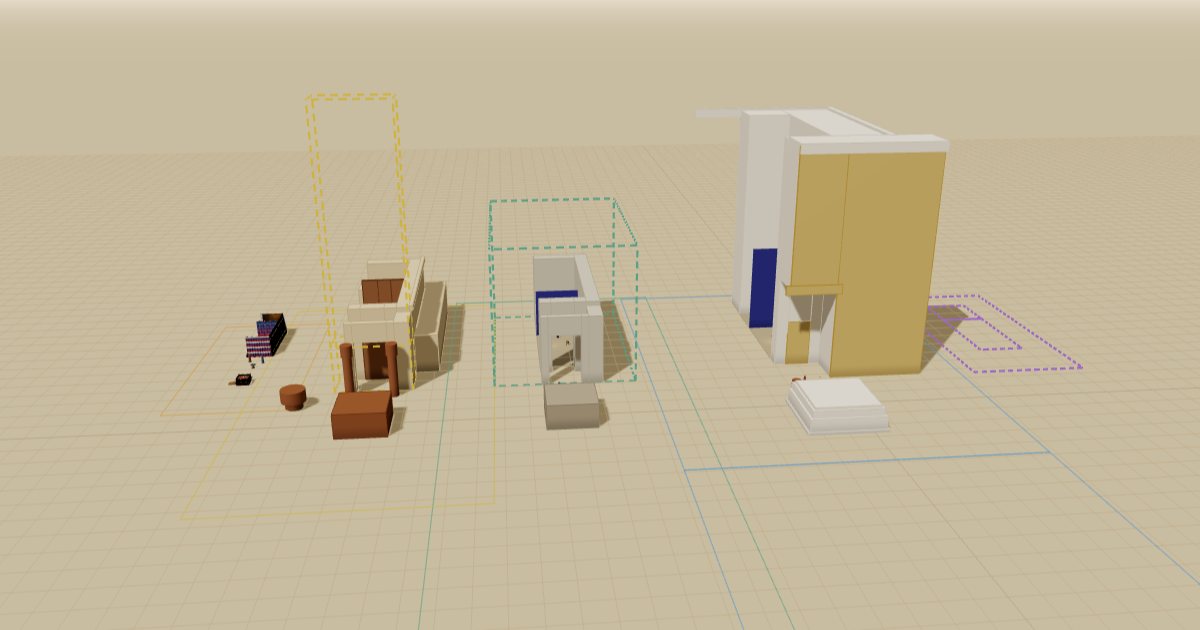
Solomon’s Temple was 30 cubits high; Herod’s rose to 100. Five sanctuaries from the Tabernacle to Ezekiel’s vision, compared at one scale, with the evidence.

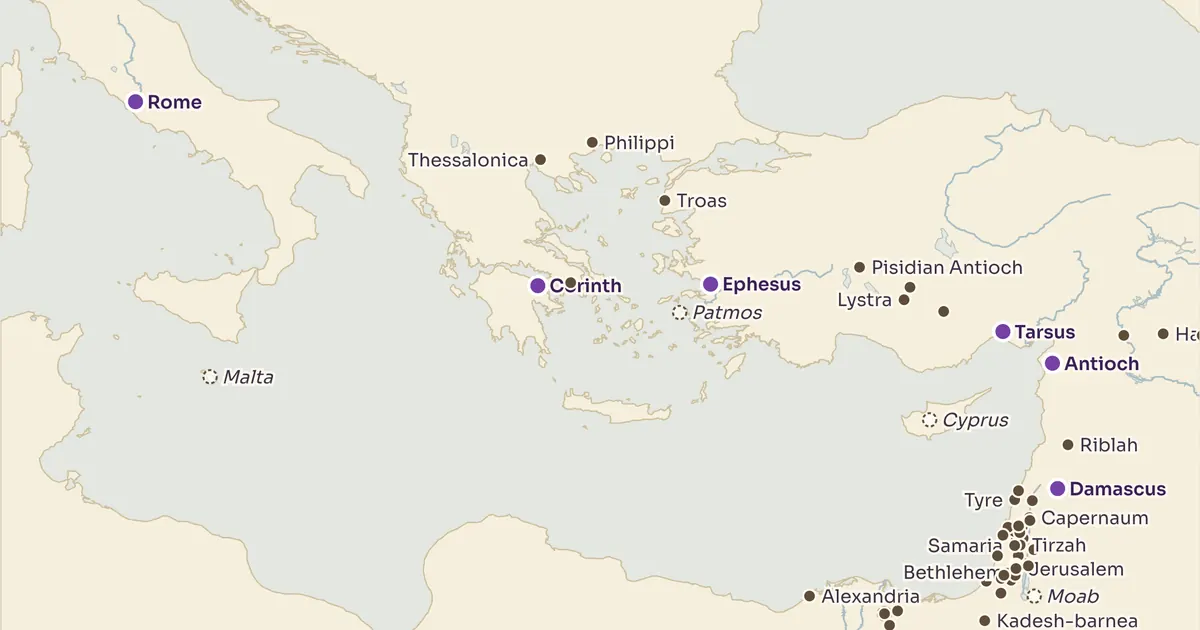
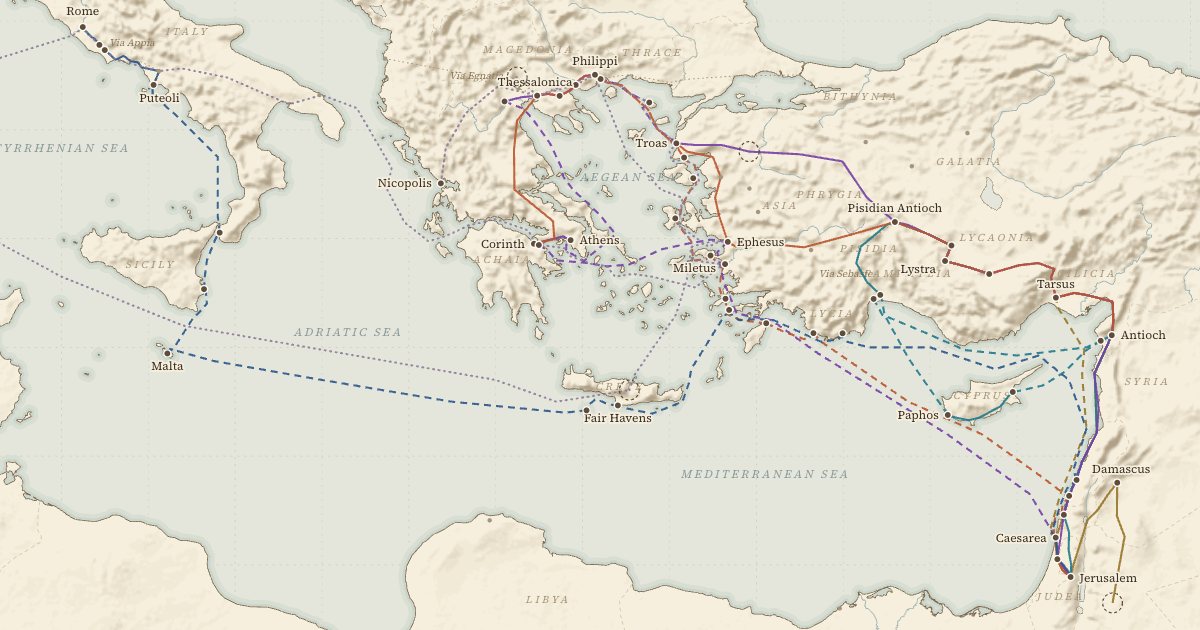
Every road Paul took on one map: the early years, three missionary journeys, the voyage to Rome and the debated later travels, with his co-workers and letters.

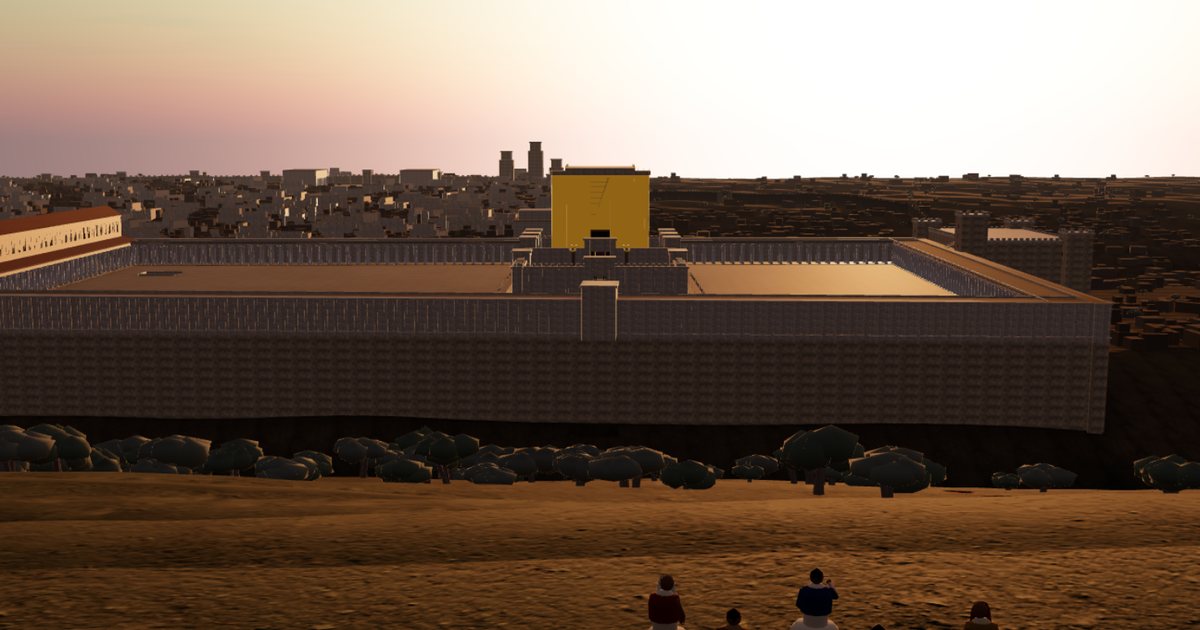
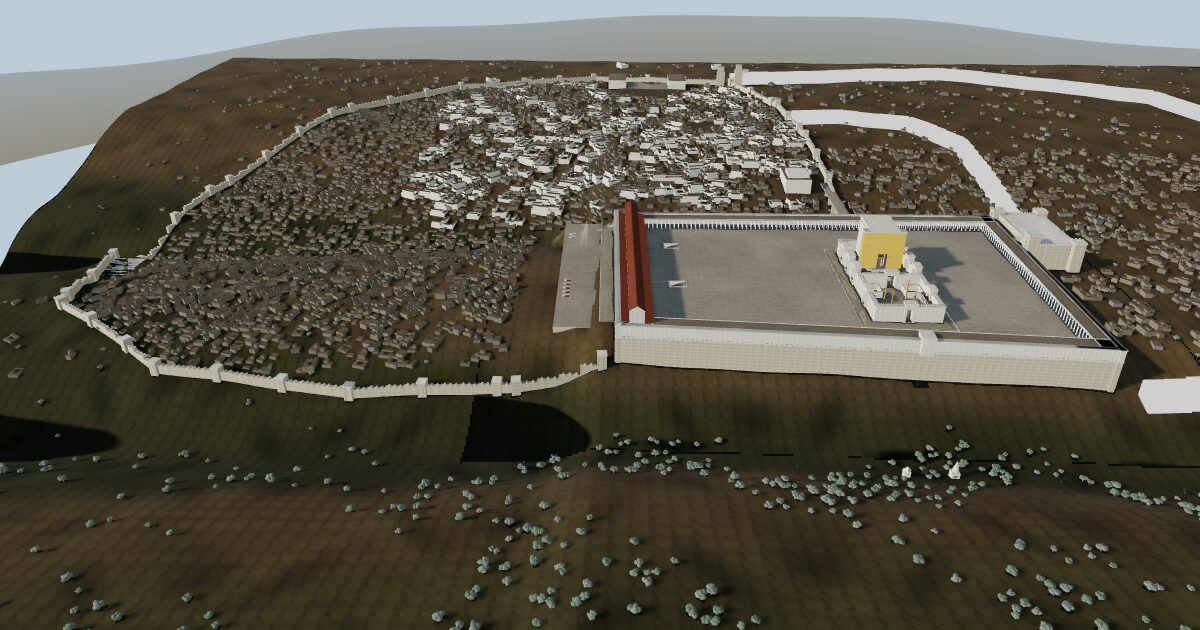
Jerusalem in Jesus’ day: Herod’s Temple platform, the Antonia, the palace, the walls and Golgotha outside them, and the city from David’s town to today.

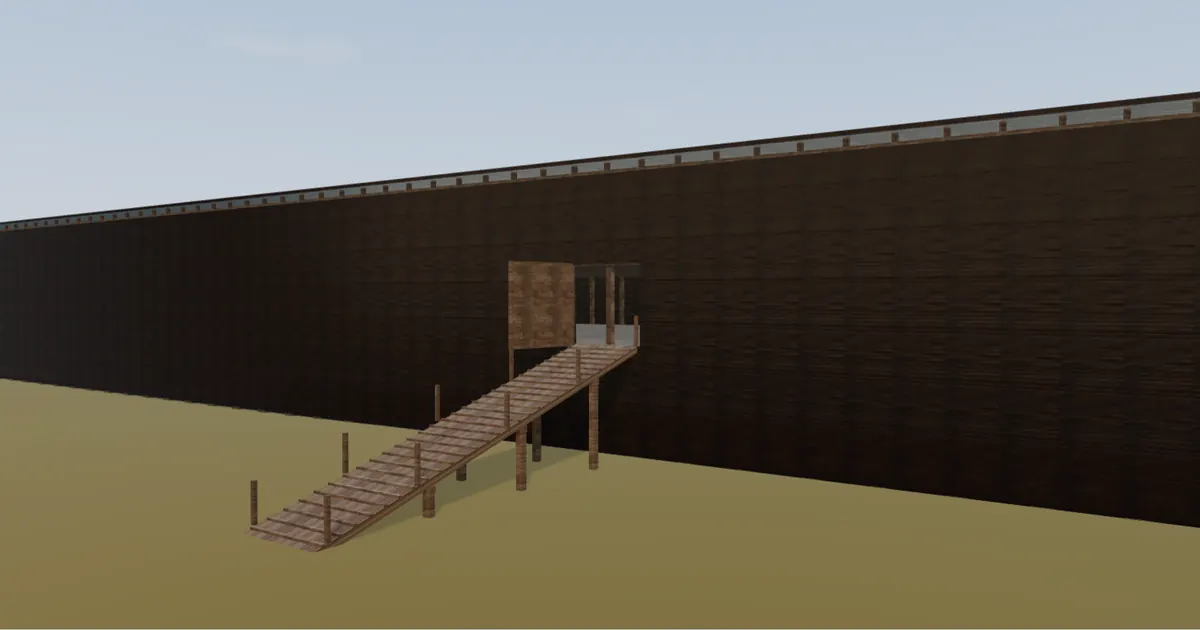
Genesis 6 gives the ark as 300 × 50 × 30 cubits: about 135 m long. What those numbers mean, what the text leaves out, and how the ark compares to a 747.

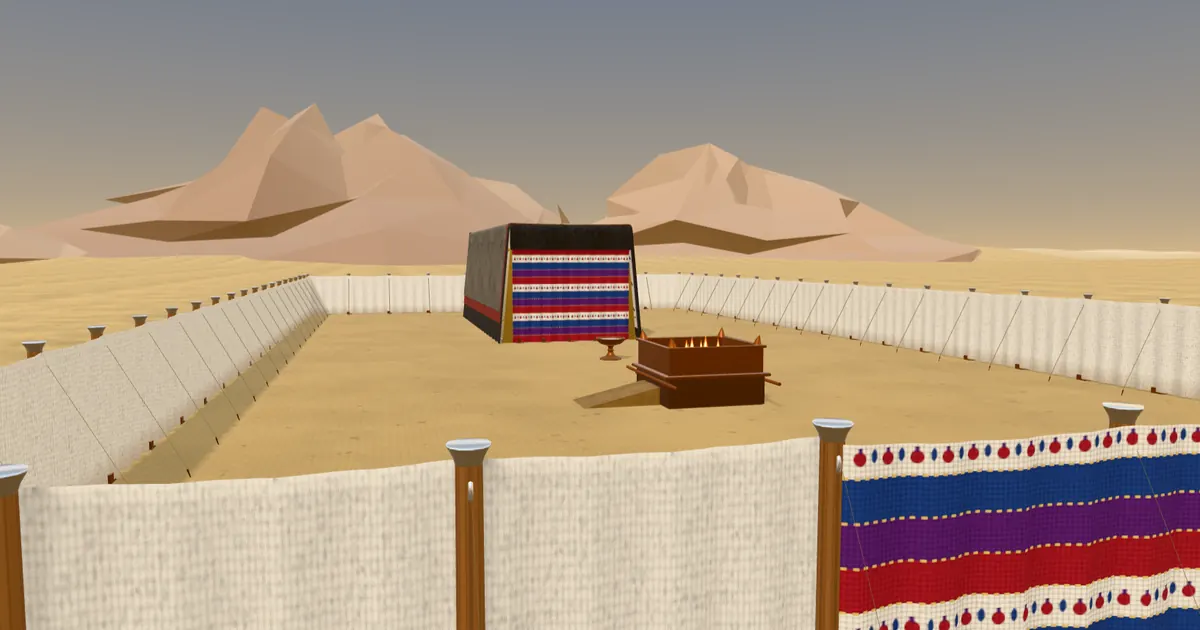
A walk through the Tabernacle of Exodus 25–40: the courtyard, the altar, the Holy Place and the veil, with its measurements and what a priest saw inside.

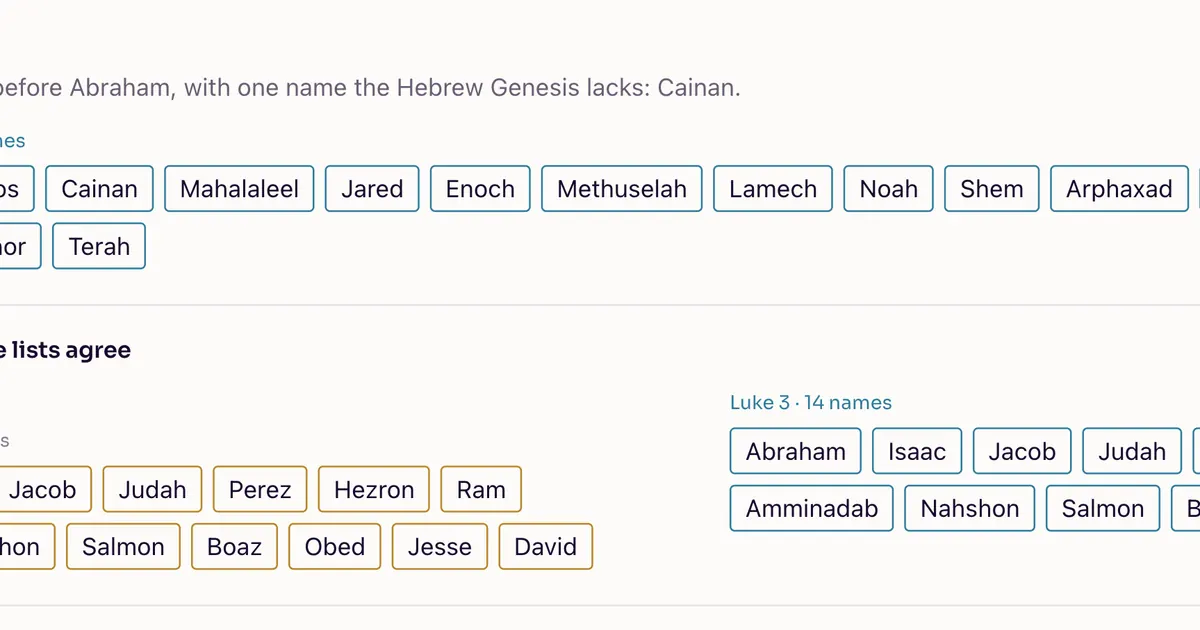
Matthew runs from Abraham through Solomon; Luke runs back to Adam through Nathan. Where the two lists agree, where they part, and the main explanations.

Jesus grew up in Nazareth, made Capernaum his home, taught around the Sea of Galilee and in the Temple courts. What each place was like, and how sure we are.

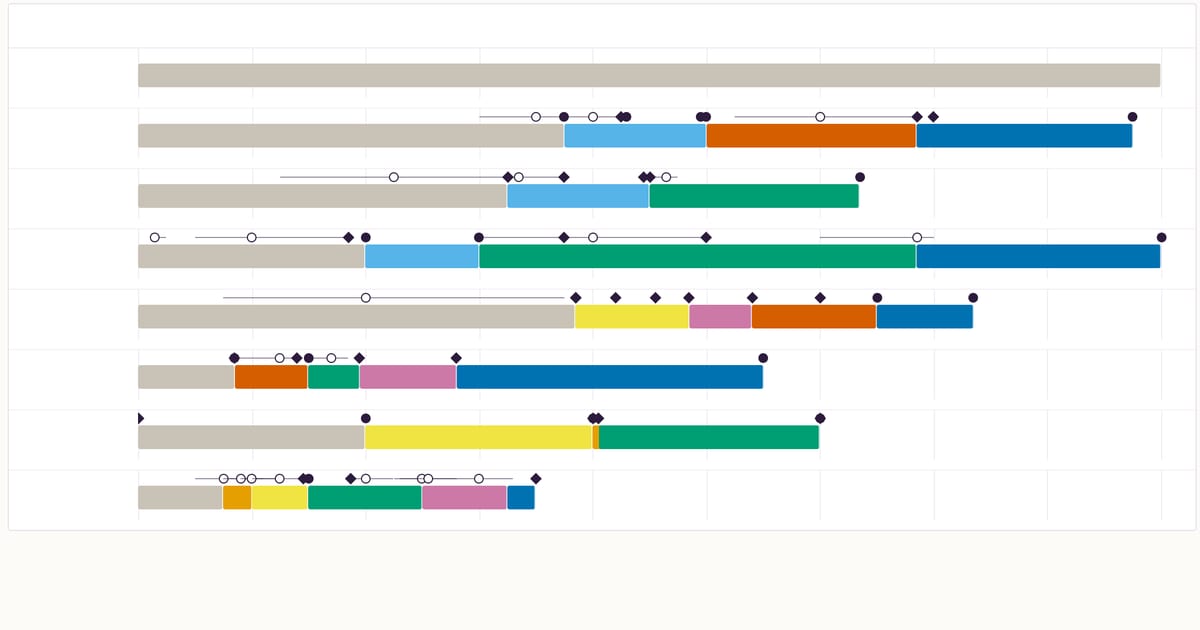
A timeline of the whole Bible from Abraham to the early church: which dates are firm, which are debated, and where kings, prophets and empires overlap.

Abraham waited 25 years for a son, Joseph 13 in slavery and prison, Moses 40 in Midian, David years on the run. What their waiting looked like, age by age.

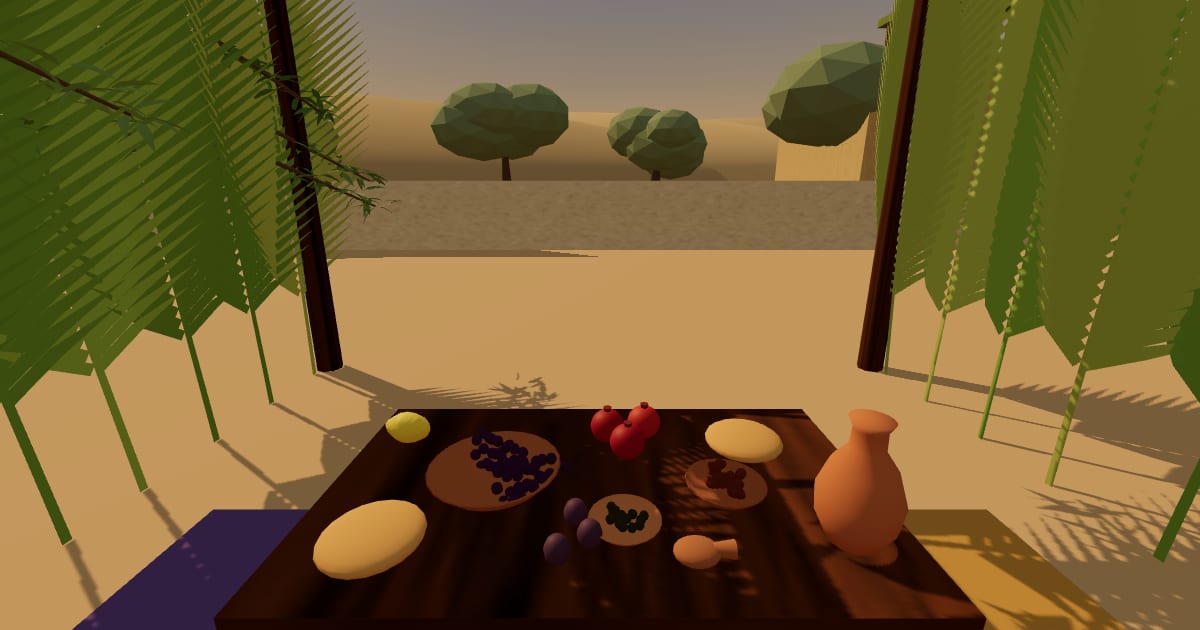
Seven days in booths of branches after the autumn harvest: what Leviticus 23 and Nehemiah 8 say about Sukkot, and what Jesus cried out on its last great day.

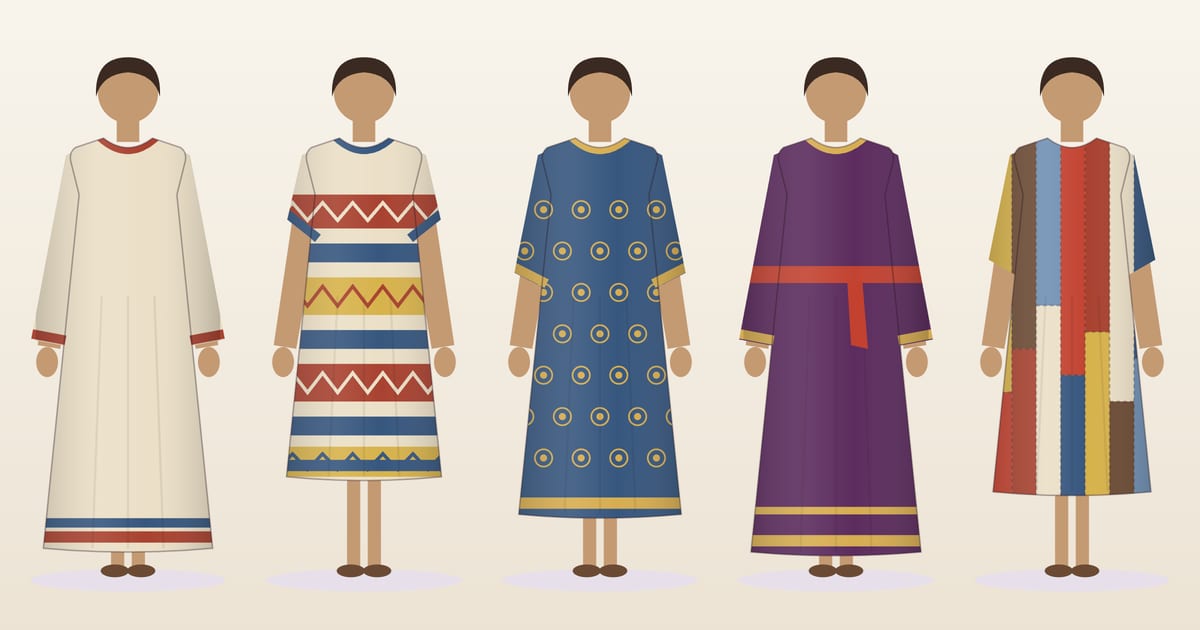
Genesis never describes Joseph’s robe. What the Hebrew ketonet passim means, how the oldest translations read it, and what Bronze Age cloth shows.

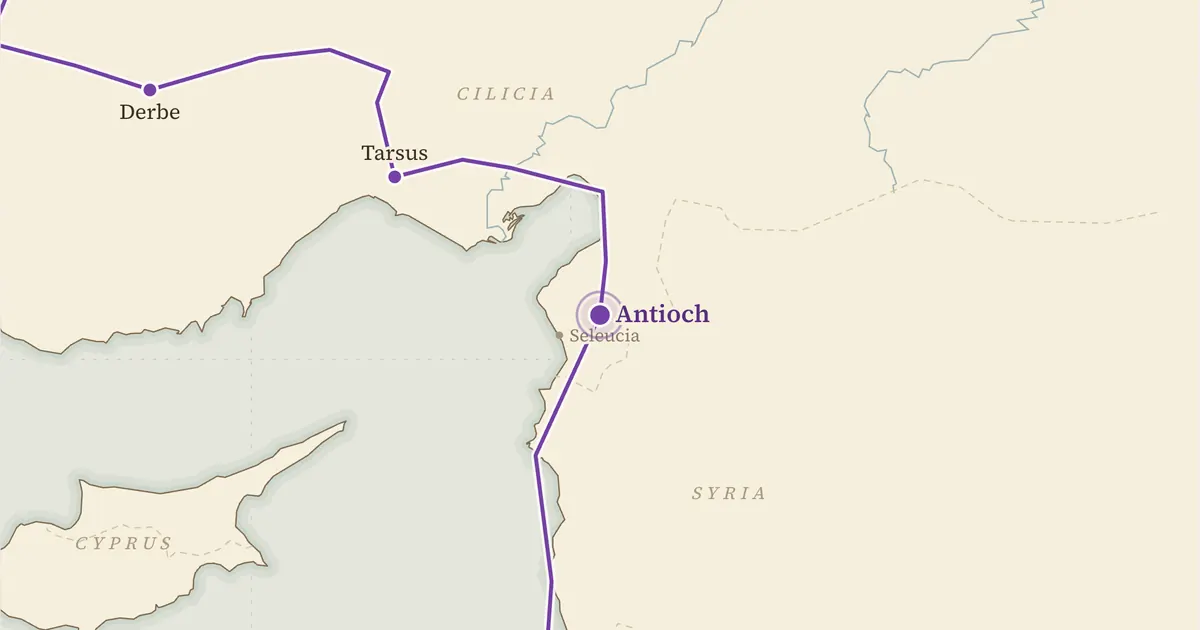
Paul's second missionary journey stop by stop: Antioch to Troas, over to Philippi, Thessalonica, Athens and Corinth, and home, with dates and how sure we are.

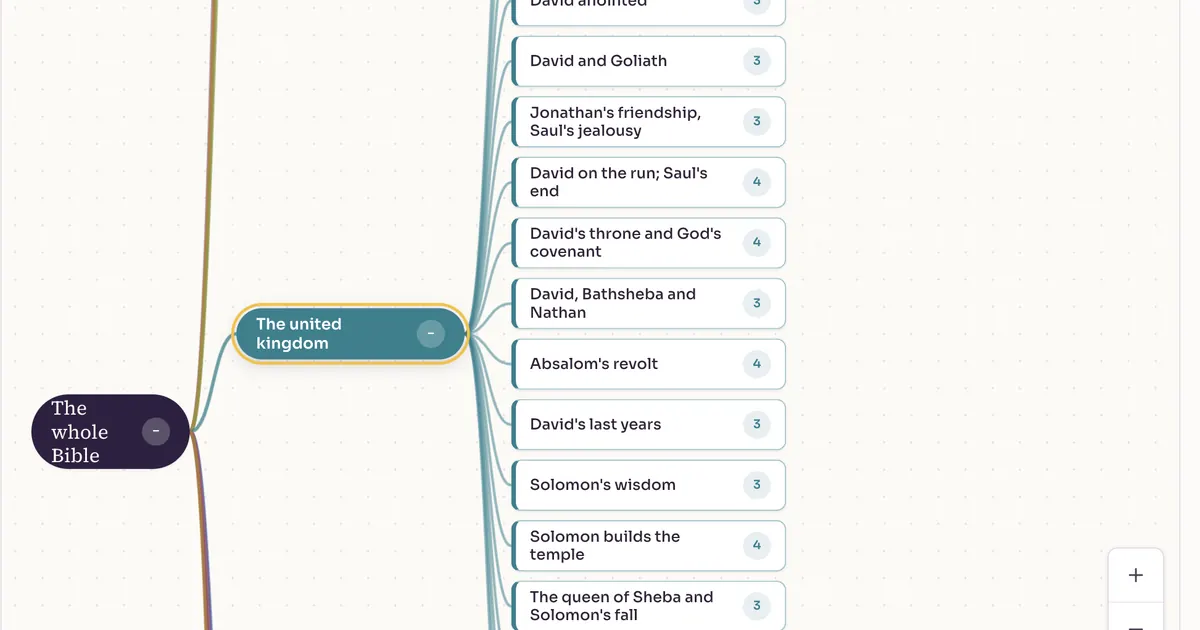
How the Bible's sixty-six books tell one story from creation to new creation, traced through twelve big stories and the key verse that anchors each one.

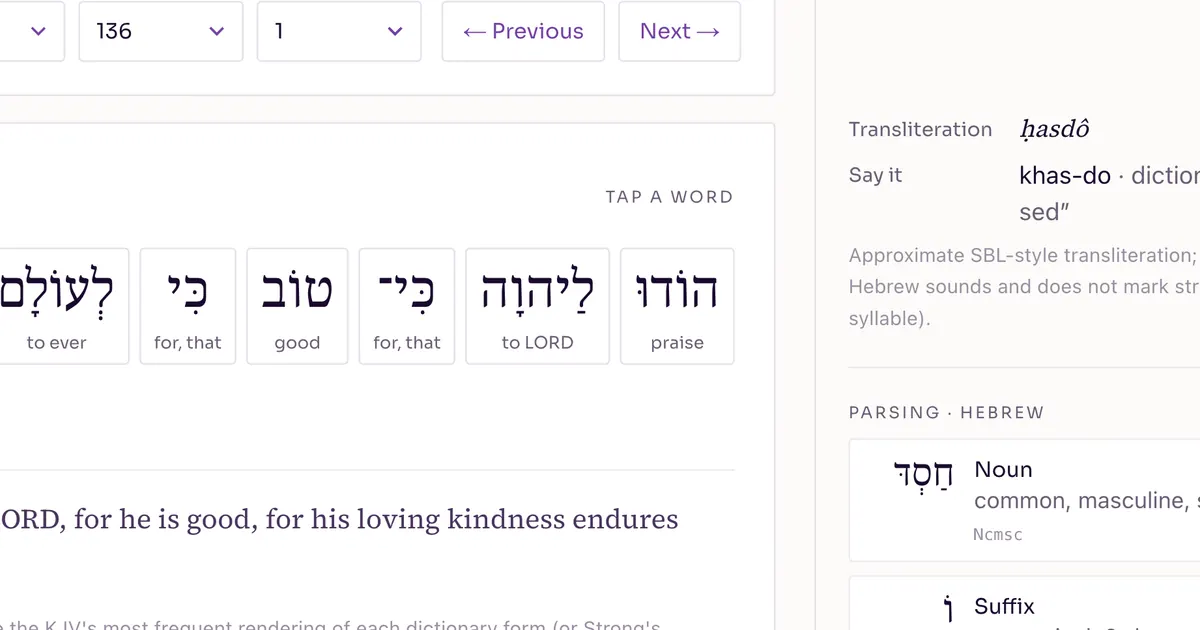
Ḥesed occurs 245 times in the Hebrew Bible and the KJV needs five English words for it. Take it one verse at a time, from Psalm 136 to Ruth and Micah.

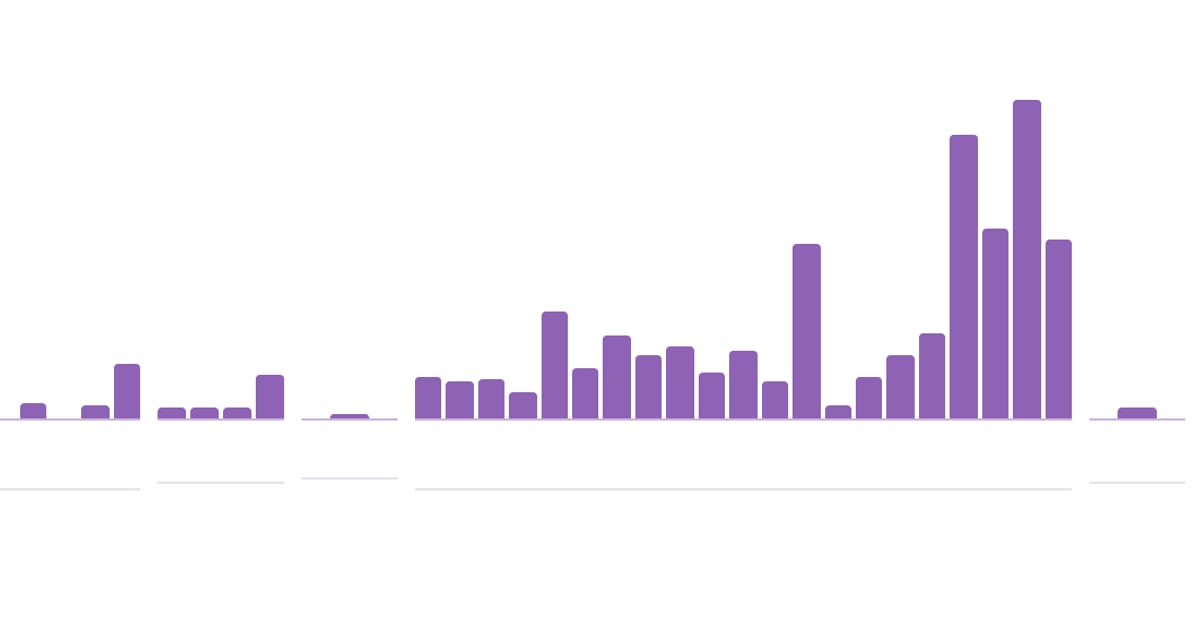
How often do love, grace and law appear in the Bible? Counts in English, Chinese, Hebrew and Greek, where each word clusters, and why translations disagree.

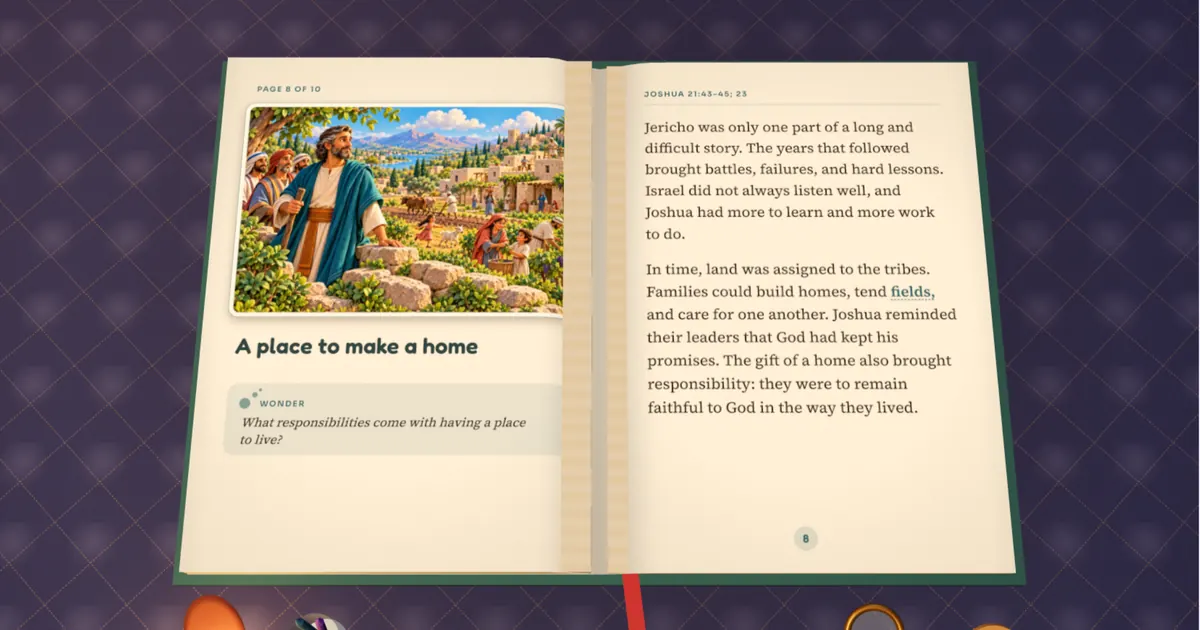
Two illustrated Bible stories for ages 8–12, read aloud page by page: Joseph’s road from the pit to forgiveness, and Joshua’s crossing of the Jordan.

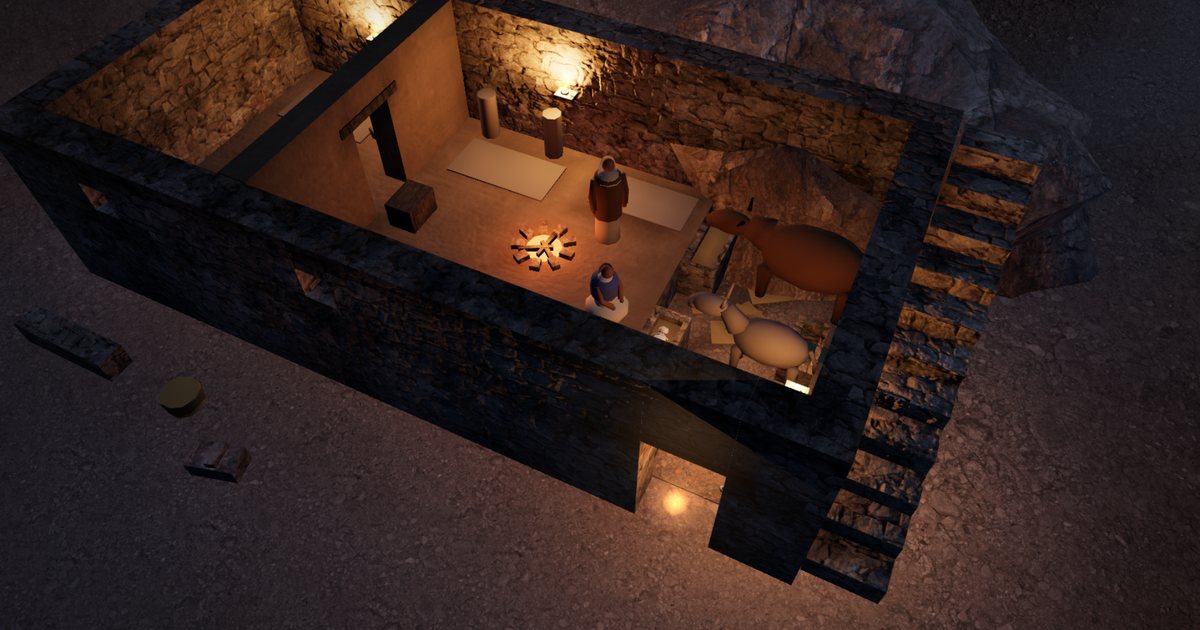
Luke names a manger and a full kataluma, but no stable and no innkeeper. Where Jesus was born, the cave tradition, and why the Magi found a house.

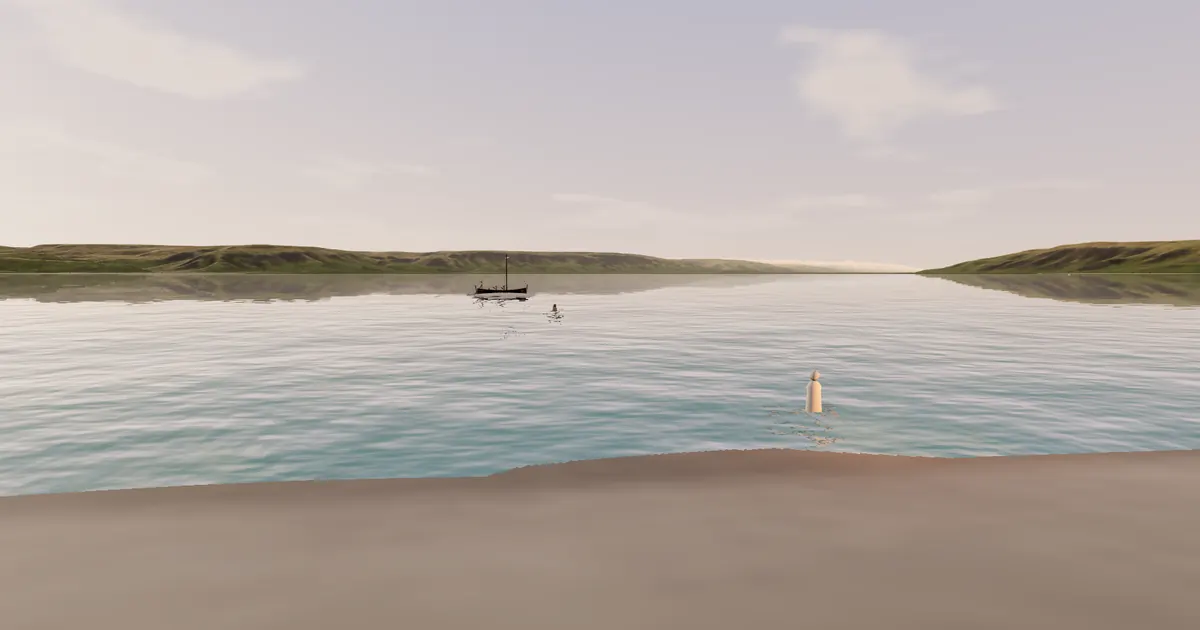
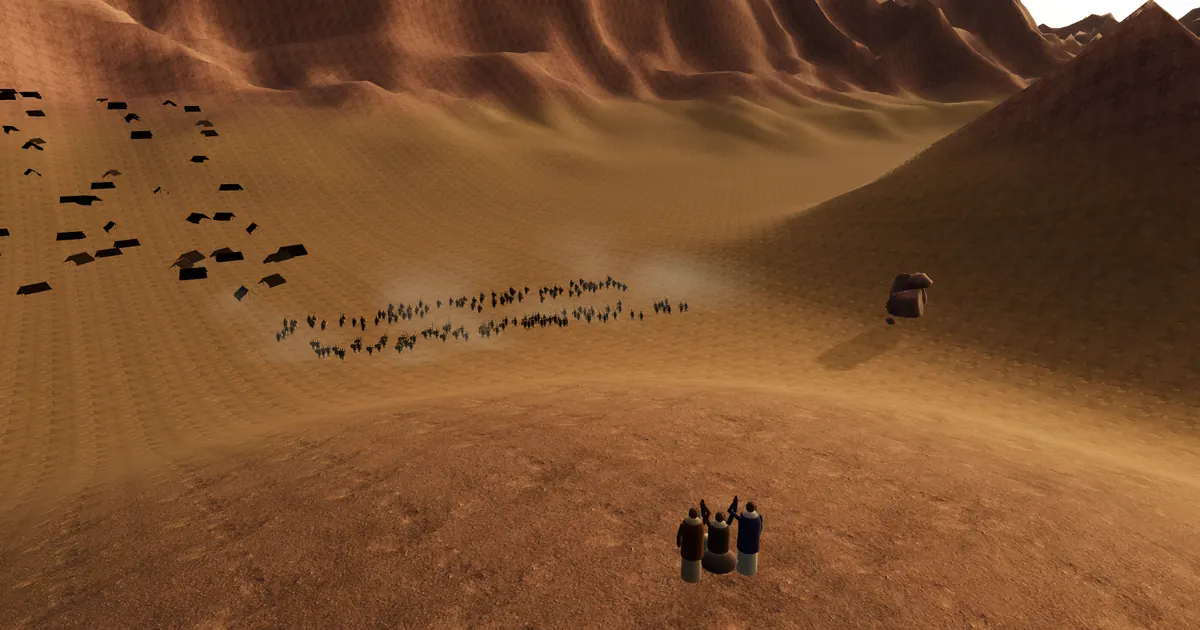
Exodus calls it Yam Suph, the ‘sea of reeds’. The main theories for the crossing and for Mount Sinai, the two dates, and how sure we can be of each.

From Palm Sunday to the empty tomb: where the Last Supper, Caiaphas’s house, Pilate’s judgment seat, Golgotha and the tomb were, and how sure we can be of each.

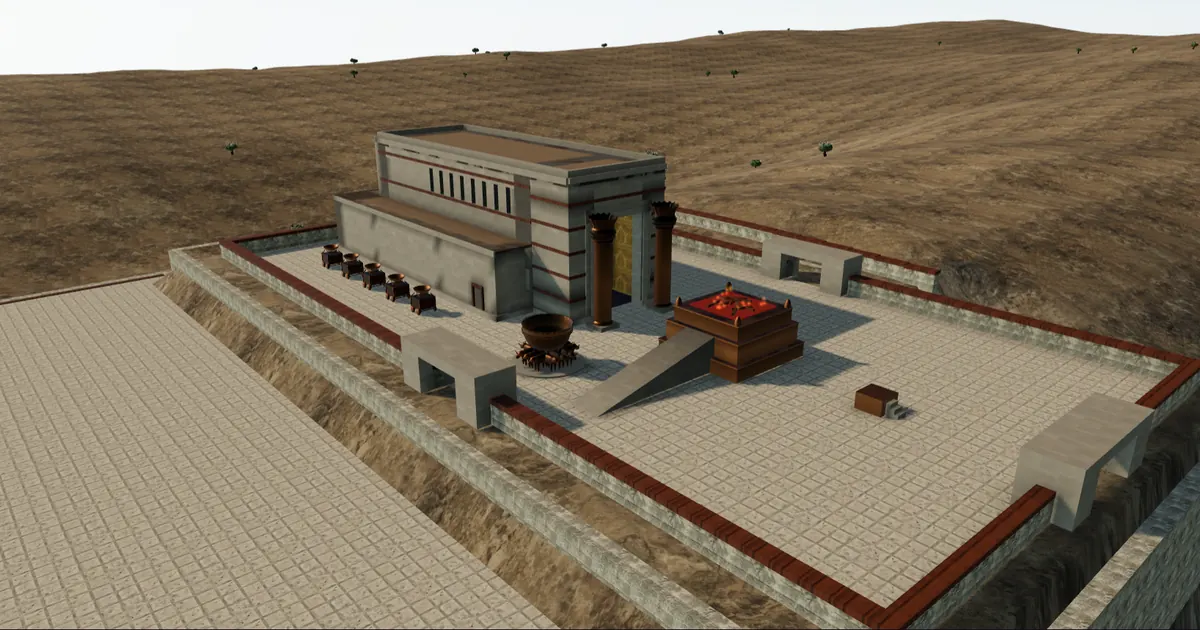
Solomon’s Temple from 1 Kings 6–7: its size in cubits and metres, the holy place and the cherubim, Jachin and Boaz, the bronze Sea, and how it grew out of the Tabernacle.