 X-Dreamers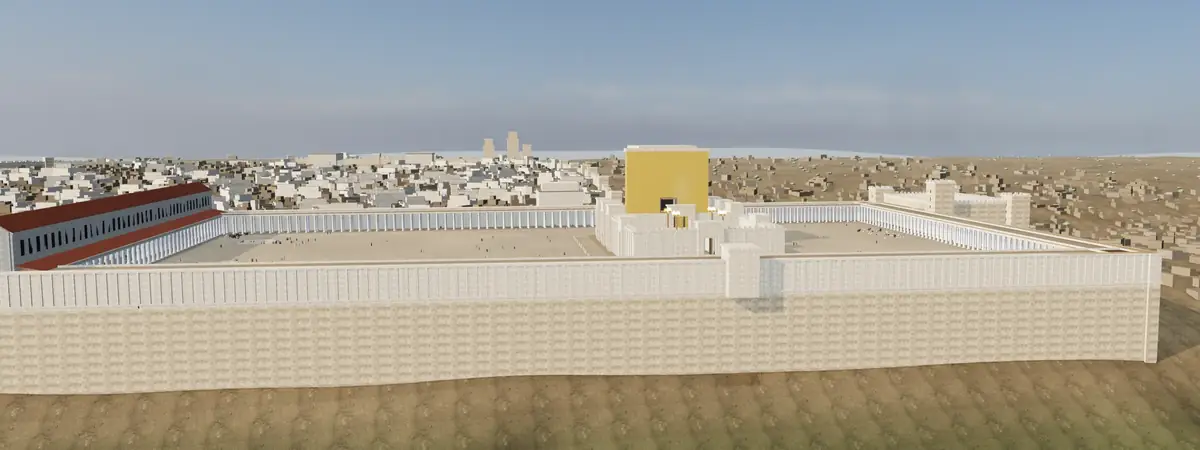
Around the Mount
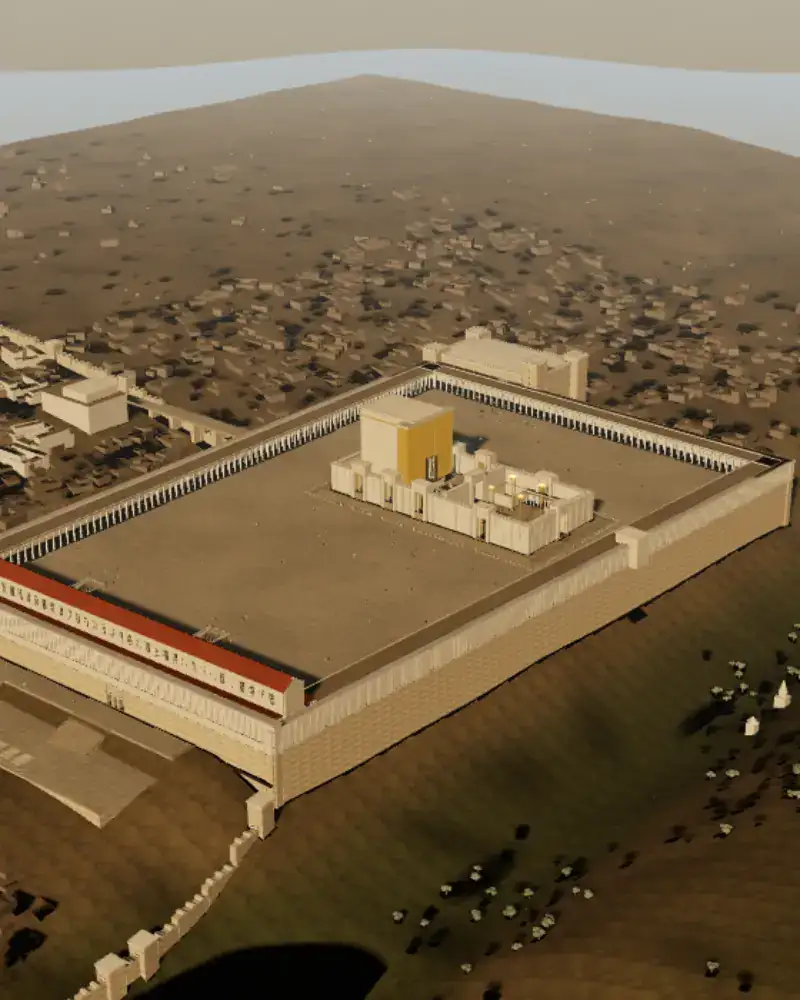
The Pinnacle of the Temple
A high point of the Temple where the devil set Jesus.
What happened here
The devil took Jesus into the holy city and set him on the pinnacle (literally “little wing”) of the Temple: “If thou be the Son of God, cast thyself down.” Jesus answered from Scripture: “Thou shalt not tempt the Lord thy God.” Josephus says that anyone looking down from the top of the Royal Stoa into the Kidron valley would grow dizzy.
Scripture
5Then the devil taketh him up into the holy city, and setteth him on a pinnacle of the temple, 6And saith unto him, If thou be the Son of God, cast thyself down: for it is written, He shall give his angels charge concerning thee: and in their hands they shall bear thee up, lest at any time thou dash thy foot against a stone. 7Jesus said unto him, It is written again, Thou shalt not tempt the Lord thy God.
Claims
- Speculative The south-east corner of the Royal Stoa is one likely candidate.
- Strongly supported The drop from the stoa roof to the Kidron valley was dizzying.
Archaeology and sources
Which point is meant is not known. The south-east corner, high above the Kidron, is the traditional choice; the south-west corner, where a stone marked “to the place of trumpeting” fell, has also been suggested.
Sources
- Josephus, Jewish Antiquities 15.11 (written c. AD 93–94)
- “To the place of trumpeting” inscription, fallen from the south-west corner (found 1968)