 X-Dreamers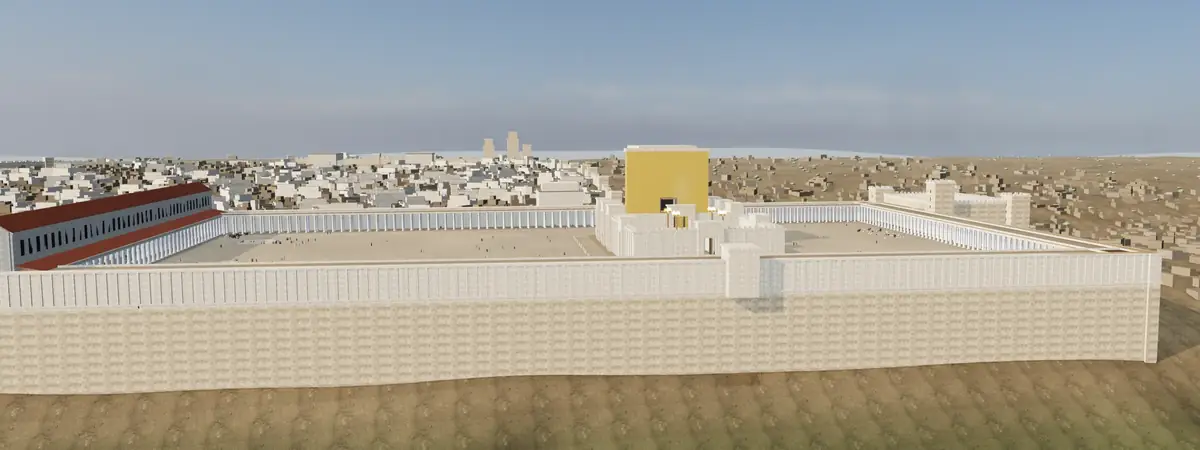
Around the Mount
The View from the Mount of Olives
Where Jesus wept over the city and foretold the Temple’s fall.
What happened here
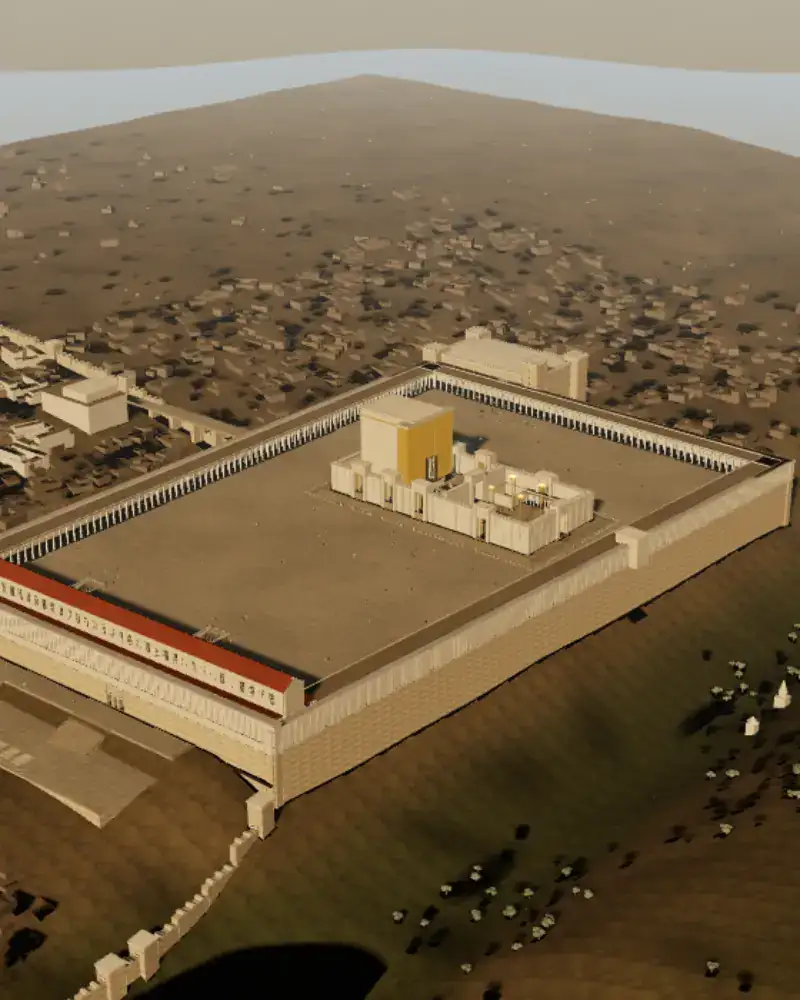
Across the Kidron valley the Mount of Olives looks straight at the sanctuary’s golden front. Coming down it on Palm Sunday, Jesus saw the city and wept over it. Later, sitting on the mount opposite the Temple, he told his disciples that not one stone would be left on another. In AD 70 the Temple was burned by the Romans.
Scripture
1And as he went out of the temple, one of his disciples saith unto him, Master, see what manner of stones and what buildings are here! 2And Jesus answering said unto him, Seest thou these great buildings? there shall not be left one stone upon another, that shall not be thrown down. 3And as he sat upon the mount of Olives over against the temple, Peter and James and John and Andrew asked him privately,
41And when he was come near, he beheld the city, and wept over it, 42Saying, If thou hadst known, even thou, at least in this thy day, the things which belong unto thy peace! but now they are hid from thine eyes. 43For the days shall come upon thee, that thine enemies shall cast a trench about thee, and compass thee round, and keep thee in on every side, 44And shall lay thee even with the ground, and thy children within thee; and they shall not leave in thee one stone upon another; because thou knewest not the time of thy visitation.
Claims
- Textually stated The Mount of Olives overlooks the Temple Mount from the east, across the Kidron. (Mark 13:3)
- Strongly supported The Temple was destroyed by Roman forces in AD 70.
Archaeology and sources
The eastern gate on the sanctuary’s axis (the Shushan Gate of the Mishnah) faced the Mount of Olives. Olive groves and presses gave the mount and Gethsemane (“oil press”) their names.
Sources
- Josephus, Jewish War 5.5 (written c. AD 75)