 X-Dreamers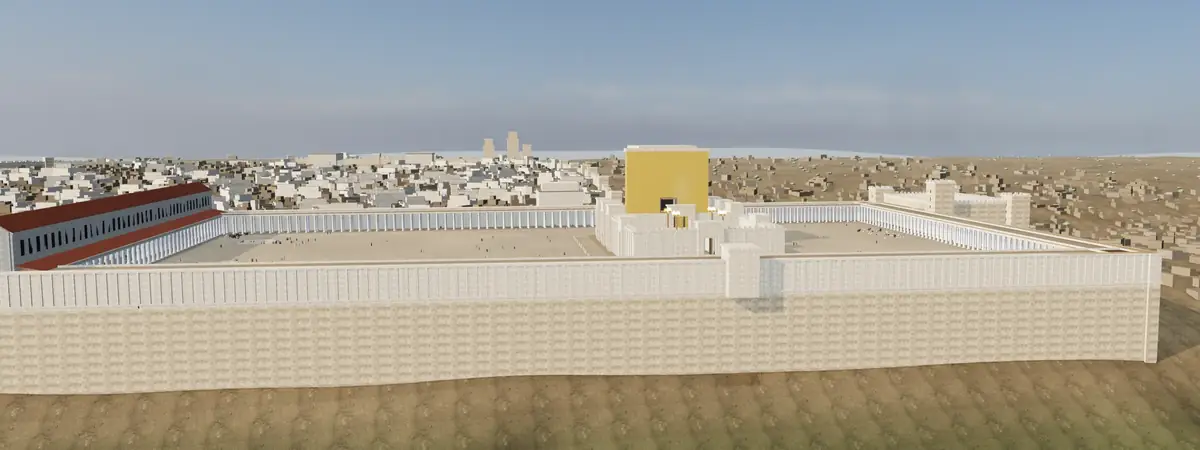
Around the Mount
The Antonia Fortress
Herod’s fortress at the north-west corner, garrisoned by Roman soldiers.
What happened here
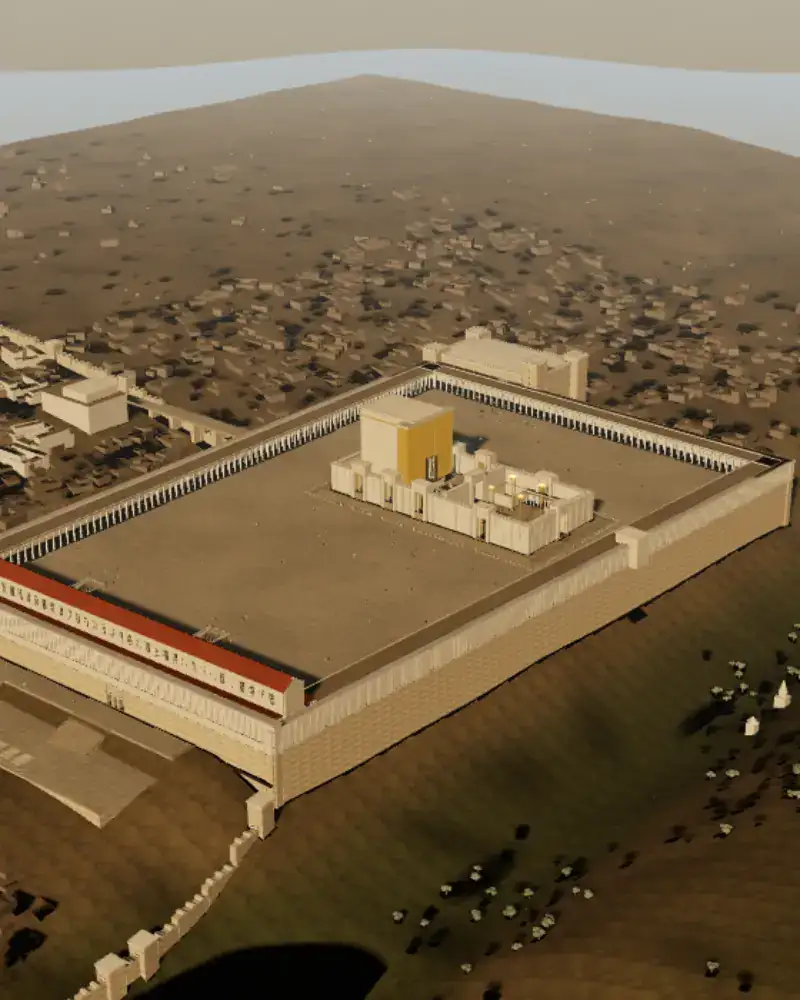
Herod rebuilt the fortress at the north-west corner and named it for Mark Antony. A Roman cohort watched the Temple courts from it, especially at festivals, and stairs led down into the porticoes. When a riot broke out over Paul, the commander ran down with soldiers, and Paul spoke to the crowd from those stairs.
Scripture
31And as they went about to kill him, tidings came unto the chief captain of the band, that all Jerusalem was in an uproar. 32Who immediately took soldiers and centurions, and ran down unto them: and when they saw the chief captain and the soldiers, they left beating of Paul.
40And when he had given him licence, Paul stood on the stairs, and beckoned with the hand unto the people. And when there was made a great silence, he spake unto them in the Hebrew tongue, saying,
Claims
- Strongly supported Four corner towers, the south-eastern one 70 cubits high, overlooking the Temple.
- Speculative The size and plan of the fortress shown here are uncertain.
Archaeology and sources
Josephus describes a tower-like fortress with four corner towers, the south-eastern one 70 cubits high. Its full extent is disputed. Some place Pilate’s judgement seat here; many scholars prefer Herod’s palace on the western hill.
Sources
- Josephus, Jewish War 5.5 (written c. AD 75)
- Leen Ritmeyer, The Quest: Revealing the Temple Mount in Jerusalem (Carta, 2006)