 X-Dreamers
X-Dreamers · Lab sheet
Hebrew Word Explorer
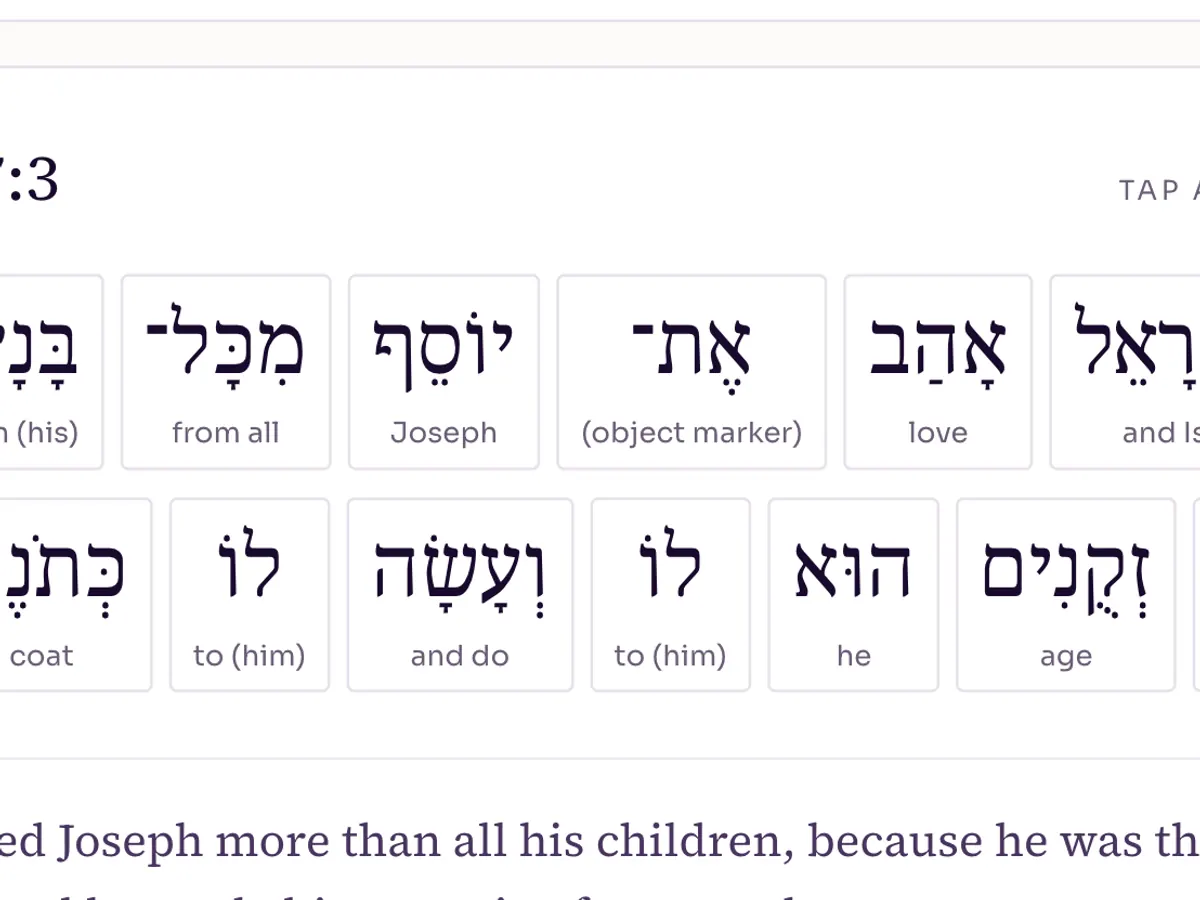
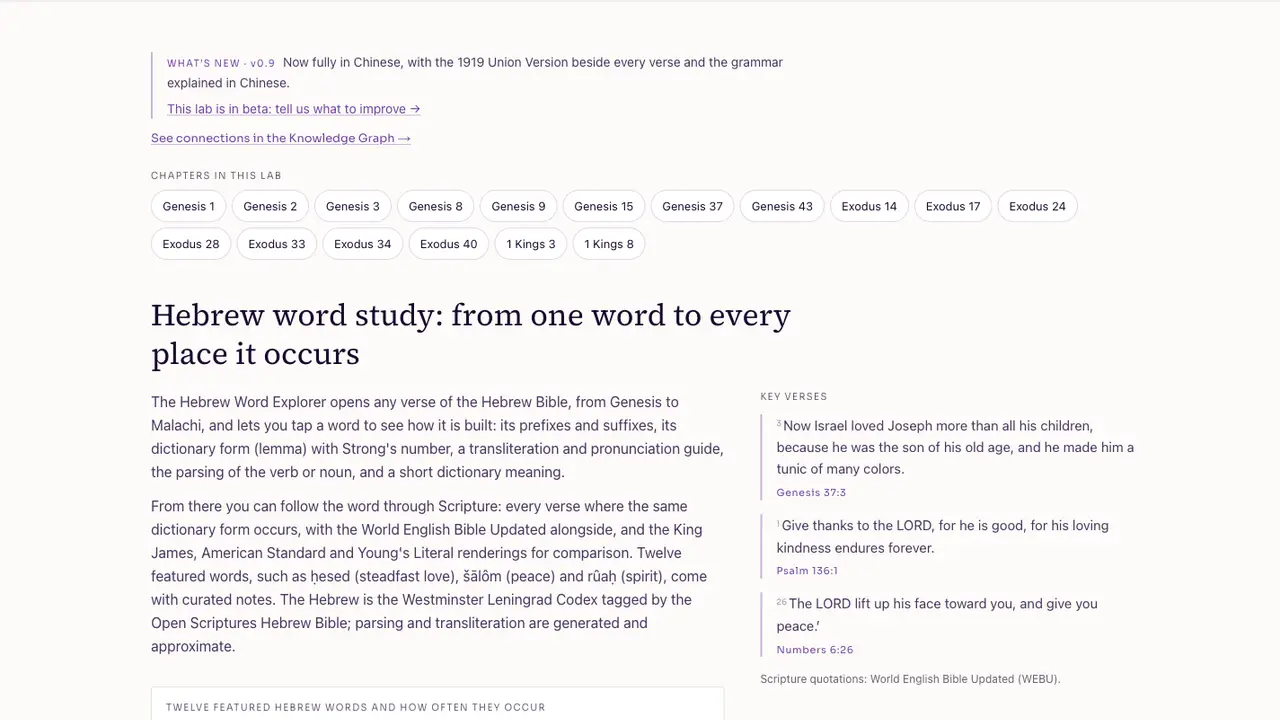
A word study without knowing Hebrew: tap a word in a verse, see its dictionary form and meaning, then follow it through every place it is used.
Scan to open the lab
Key facts
- Each word shows its dictionary form, its Strong's number, its parsing and any prefixes and suffixes attached to it.
- The occurrence list shows the same word across the Old Testament, each verse with its English and Chinese beside it.
- Hesed (חֶסֶד), steadfast love, occurs 245 times by the lab's count; the Chinese Union Version mostly renders it cí’ài, “kind love”.
- Rûaḥ (רוּחַ) means wind, breath or spirit; the translators had to choose one English or Chinese word each time.
- Featured words explain their roots where it helps, for example that “faithfulness” (ʾĕmûnâ) shares a root with “amen”.
- In class: pick one word, read three verses where it appears, and ask what the word adds that the translation hides.
Key verses
O give thanks unto the LORD; for he is good: for his mercy endureth for ever.Psalm 136:1 · King James Version
And the earth was without form, and void; and darkness was upon the face of the deep. And the Spirit of God moved upon the face of the waters.Genesis 1:2 · King James Version
Behold, his soul which is lifted up is not upright in him: but the just shall live by his faith.Habakkuk 2:4 · King James Version
Talk about it
- Rûaḥ can be wind, breath or spirit. How does Genesis 1:2 read differently with each one?
- Psalm 136 repeats “his steadfast love endures forever” every verse. Why repeat it so often?
- Which word in your own faith would you like to understand better, and where would you start?
How sure can we be?
The Bible says
- The Hebrew text is the Westminster Leningrad Codex, as tagged by the Open Scriptures Hebrew Bible.
- Every occurrence links to its verse, so any claim can be checked in context.
Our reconstruction
- Counts follow that tagging and can differ slightly in other concordances.
- Root notes and pictures behind a word are explanations, each marked with how sure we can be.
Still debated
- A word's root does not always decide its meaning in a given verse; how the word is used counts for more.
- Some rare words, such as passim in Genesis 37:3, have uncertain meanings.
© X-Dreamers · xdreamers.com · Free to print and project for teachingxdreamers.com/labs/hebrew-word-explorer