 X-Dreamers
X-Dreamers · Lab sheet
Jerusalem Through the Ages
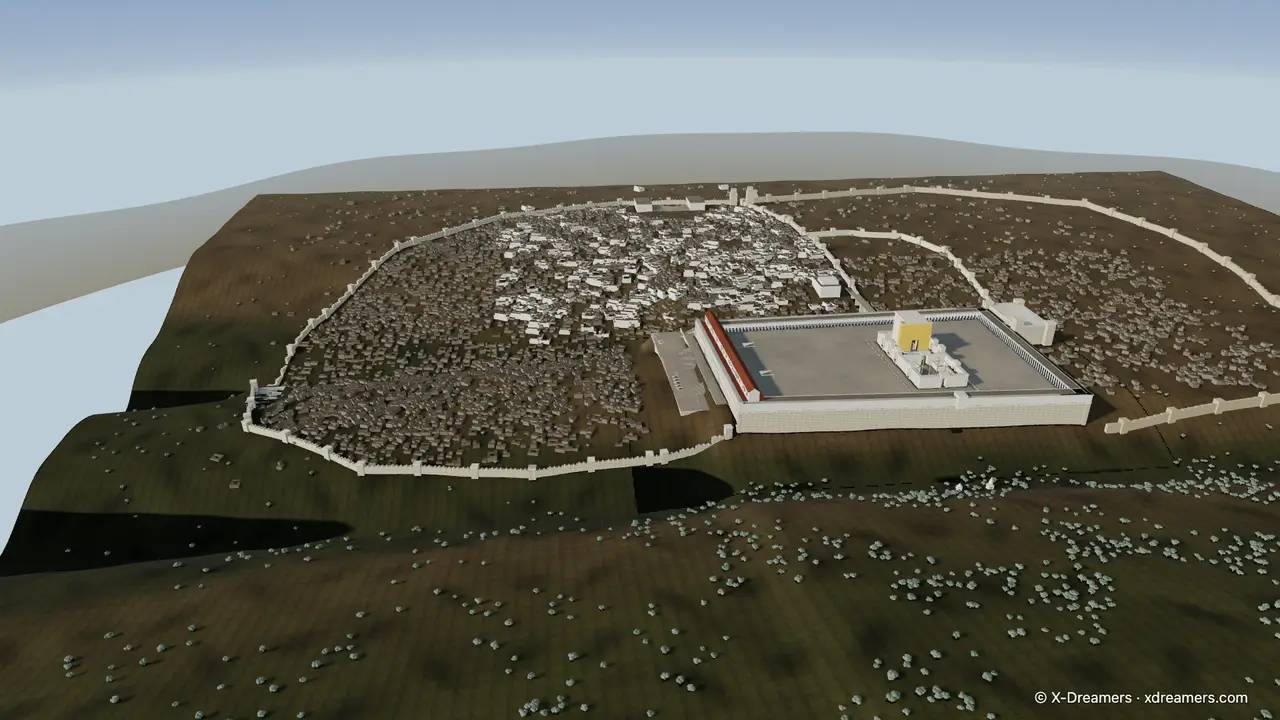
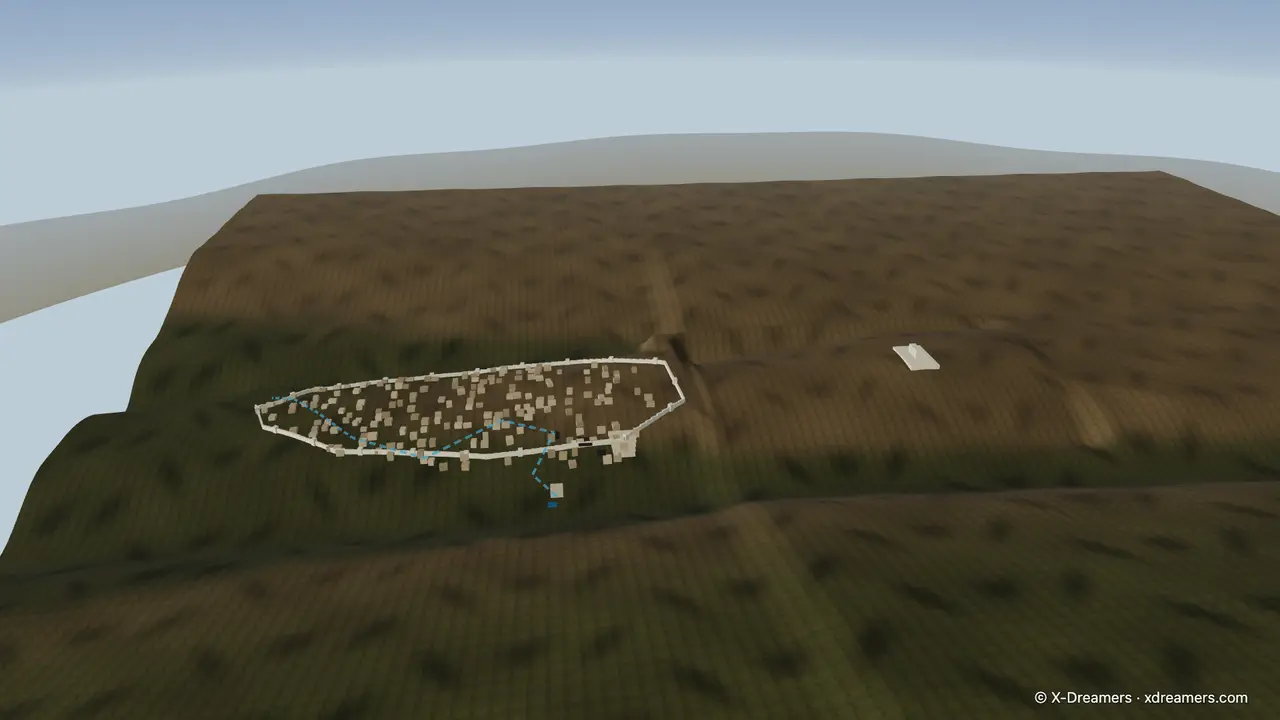
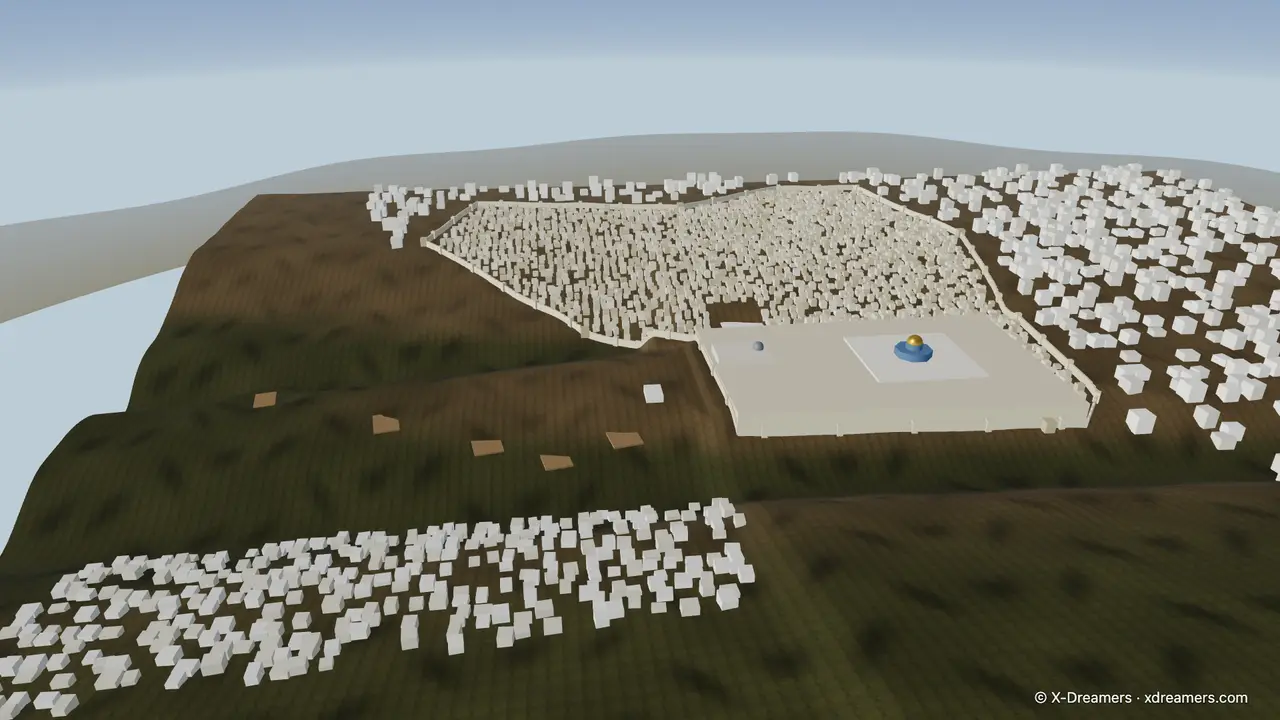
One view from the Mount of Olives, seven eras: slide from David's small stronghold to Herod's Temple and today's Old City, with every ancient era marked as a reconstruction.
Scan to open the lab
Key facts
- About 1000 BC David took the stronghold of Zion, a walled town of some 4–5 hectares above the Gihon spring (2 Samuel 5).
- Solomon built the Temple on Mount Moriah, on the threshing floor of Araunah; Babylon burned it in 586 BC.
- About 700 BC Hezekiah walled in the Western Hill and cut a 533 m tunnel to bring the spring's water into the city.
- After the exile the Second Temple was finished in 515 BC, and Nehemiah rebuilt the walls in 52 days (Nehemiah 6:15).
- Herod rebuilt the Temple from about 20 BC on a vast platform whose walls still stand; Rome destroyed the city in AD 70.
- Today's Old City walls are Ottoman, built in 1537–1541, about 1,500 years after Jesus.
Key verses
6 And the king and his men went to Jerusalem unto the Jebusites, the inhabitants of the land: which spake unto David, saying, Except thou take away the blind and the lame, thou shalt not come in hither: thinking, David cannot come in hither. 7 Nevertheless David took the strong hold of Zion: the same is the city of David. 8 And David said on that day, Whosoever getteth up to the gutter, and smiteth the Jebusites, and the lame and the blind, that are hated of David’s soul, he shall be chief and captain. Wherefore they said, The blind and the lame shall not come into the house. 9 So David dwelt in the fort, and called it the city of David. And David built round about from Millo and inward.2 Samuel 5:6–9 · King James Version
And the rest of the acts of Hezekiah, and all his might, and how he made a pool, and a conduit, and brought water into the city, are they not written in the book of the chronicles of the kings of Judah?2 Kings 20:20 · King James Version
Then said the Jews, Forty and six years was this temple in building, and wilt thou rear it up in three days?John 2:20 · King James Version
Talk about it
- The same hill was built on, burned and rebuilt again and again. What does that history say about the promises God made to Jerusalem?
- Jesus wept over the city and foretold the Temple's fall. Seeing the eras side by side, what do you think he saw?
- Much of what visitors see today, like the Old City walls, is far later than the Bible. Why is it worth knowing which layer you are looking at?
How sure can we be?
The Bible says
- David's capture of Zion, Hezekiah's water channel and Nehemiah's 52 days are in the text.
- Golgotha lay outside the city (John 19:20; Hebrews 13:12).
Our reconstruction
- Every ancient era is a reconstruction from excavation and texts; buildings between the known walls are illustrative.
- Today's city is set beside real photographs, so you can tell the model from the place.
Still debated
- Where exactly the Temple stood on the hilltop: most place it at the Dome of the Rock, others to the north or south.
- The line of the Second Wall, and whether Hezekiah's tunnel is a century older.
© X-Dreamers · xdreamers.com · Free to print and project for teachingxdreamers.com/labs/jerusalem-through-the-ages